Symbolism and the Beauty of Processions with a Canopy
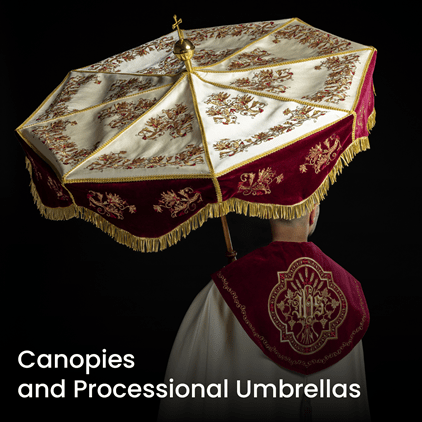
The Feast of Corpus Christi, or the Solemnity of the Most Holy Body and Blood of Christ, is a deeply significant occasion in the Christian calendar. It is a day dedicated to the adoration of the Holy Eucharist, celebrating the Real Presence of Jesus Christ in the consecrated bread and wine. A central and visually striking element of this feast is the Corpus Christi procession, often graced by the presence of a ceremonial canopy, or baldachin, which adds layers of symbolism and solemnity to the sacred event.
Theological Significance of Corpus Christi
At its heart, Corpus Christi is a feast that draws from the Last Supper, where Jesus instituted the Eucharist. The Catechism of the Catholic Church teaches that the Eucharist is “the ‘source and summit’ of the Christian life,” providing spiritual nourishment, forgiveness of sins, and a pledge of future glory. The feast emphasizes both the sacrifice of Christ and his abiding presence among us. It’s a public affirmation of faith in the Eucharist, moving beyond the confines of the church building to proclaim Christ’s presence to the wider community.
The Sacred Symbolism of the Procession
The Corpus Christi procession is a moving testament to this belief. As the Blessed Sacrament, housed in a monstrance, is carried through the streets, it is accompanied by the faithful. This public demonstration of faith serves several symbolic purposes:
- Witness: It is an act of public witness, proclaiming the Gospel message and the central mystery of the Catholic faith to the world.
- Penance and Reparation: Historically, processions could also be acts of penance and reparation for sins, seeking God’s mercy.
- Blessing: The procession is seen as carrying Christ’s blessing to the homes and streets through which it passes, sanctifying the environment.
- Unity: It fosters a sense of unity and solidarity among the participants, united in their devotion and love for Christ.
The Majestic Canopy: A Symbol of Divine Majesty
The addition of a ceremonial canopy, often referred to as a baldachin or ciborium, to the Corpus Christi procession elevates its visual and symbolic meaning. The canopy is not merely a decorative element; it carries profound significance:
A Royal Covering for the King of Kings
The most prominent symbolism of the canopy is its representation of royal dignity and divine majesty. In ancient times, canopies were used to cover royalty and signify their supreme authority. By carrying a canopy over the Blessed Sacrament, the faithful are acknowledging Jesus Christ as their King and Lord. It is a tangible expression of His divine sovereignty and glory.
Protection and Sanctity
The canopy also symbolizes protection and the sacredness of the object it covers. It creates a sacred space, setting the Blessed Sacrament apart and shielding it, visually and symbolically, from the ordinary world. This protection can be interpreted as a representation of God’s divine protection over His people and His Church.
Heavenly Presence on Earth
Furthermore, the canopy can evoke imagery of the heavenly Jerusalem, where Christ reigns in glory. The procession, under the canopy, becomes a miniature representation of Christ’s triumph in heaven, bringing a glimpse of that divine reality to the earthly realm.
A Sacred Vessel for the Divine
Historically, elaborate canopies were often made of rich fabrics, adorned with intricate embroidery, tassels, and sometimes even precious metals. These details not only added to the visual splendor but also mirrored the magnificence expected in the presence of royalty. The craftsmanship and beauty of the canopy reflect the reverence and honor due to the Real Presence of Christ.
The Procession and its Elements
The Corpus Christi procession is a multifaceted event, with each element contributing to its sacred atmosphere:
- The Monstrance: This ornate vessel is specifically designed to display the consecrated Host, making Christ’s presence visible to the faithful.
- The Bearers: The individuals tasked with carrying the canopy (often members of specific confraternities or chosen individuals) do so with great care and devotion, recognizing the sacred duty.
- The Faithful: Participants often carry candles, sing hymns of Eucharistic adoration, and pray the Rosary, their voices joining in praise and supplication.
- The Route: The procession often winds through the streets of a parish or town, bringing the Eucharistic Lord to the community.
- The Final Benediction: The procession typically concludes with a solemn exposition of the Blessed Sacrament, followed by Eucharistic adoration and a final blessing (Benediction).
Choosing the Right Canopy
For those involved in organizing or participating in these processions, the choice of canopy is important. Traditional canopies are often crafted from rich fabrics like velvet or silk, adorned with symbolic embroidery such as crosses, Eucharistic symbols, or religious motifs. The design might include tassels and decorative fringes. Considerations for selecting a canopy include its size, weight, ease of handling by the bearers, durability, and aesthetic appeal, ensuring it harmonizes with the solemnity of the occasion and the dignity of the Blessed Sacrament.
The Corpus Christi procession, especially when enhanced by the majestic presence of a ceremonial canopy, is a profound expression of Catholic faith. It is a sacred journey, a public declaration of love and adoration for Jesus Christ in the Eucharist, and a beautiful reminder of His enduring presence among us, bridging the gap between the divine and the earthly.