Kidney Function Test (KFT): Everything You Need to Know
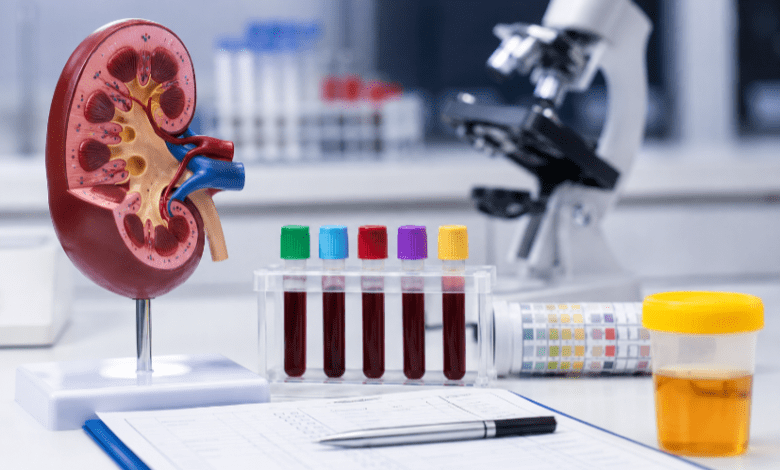
The kidneys perform several important functions that help keep the body healthy. They remove waste products, maintain fluid and mineral balance, and support healthy blood pressure and red blood cell production. Since kidney problems may not always cause noticeable symptoms in their early stages, doctors often recommend a Kidney Function Test (KFT), commonly known as a KFT test, to assess kidney function.
What Does a KFT Test Measure?
A Kidney Function Test, or KFT, evaluates how efficiently the kidneys filter waste products from the blood and maintain the body’s chemical balance. The test usually includes several measurements that together provide an overview of kidney function rather than relying on a single value:
- Blood Urea: Measures a waste product formed from protein metabolism. Higher levels may indicate reduced kidney function or other conditions.
- Serum Creatinine: Measures a waste product produced by muscles.
- Estimated Glomerular Filtration Rate (eGFR): Calculated using creatinine, age and sex to estimate how effectively the kidneys filter blood.
- Electrolytes (Sodium, Potassium and Chloride): Help assess fluid balance and normal nerve and muscle function, as the kidneys play an important role in regulating these minerals.
- Uric Acid: Evaluates how well the body removes uric acid and may provide additional information alongside other kidney function markers.
- Serum Total Protein, Albumin, Globulin and A:G Ratio: Reflect the body’s protein balance, which the kidneys help maintain by preventing protein loss into the urine.
- Urea: A waste product filtered by the kidneys, reported separately from BUN to provide a more complete view of nitrogen clearance.
Since various factors can influence individual results, doctors interpret the entire panel instead of relying on a single measurement.
When Might Your Doctor Recommend a KFT Test?
A healthcare professional may advise a KFT test in several situations, including:*
- Routine health screening for people with diabetes or high blood pressure
- Monitoring an existing kidney condition
- Assessing kidney function before certain medical procedures
- Checking kidney health before prescribing medicines that may affect the kidneys
- Investigating symptoms such as swelling, changes in urination or persistent tiredness
*Note: This information is intended for general awareness only. A qualified healthcare professional should always determine the need for testing.
For individuals seeking routine pathology services, choosing an NABL-accredited laboratory, such as Lupin Diagnostics, ensures reliable test results. Accredited diagnostic providers offer comprehensive kidney function testing along with convenient laboratory and home sample collection services across multiple cities.
What Happens During the Test?
A KFT usually requires a blood sample collected from a vein in the arm. Depending on the reason for testing, your doctor may also request a urine sample. While fasting is not always necessary, your healthcare provider may provide specific instructions based on the tests being performed. Certain medications, supplements, dehydration, and recent strenuous exercise can affect some test results, so it is important to inform the healthcare team about these beforehand.
How Are the Results Interpreted?
Reference ranges may vary slightly between laboratories because of differences in testing methods and patient characteristics. Some commonly used adult reference ranges include:
| Test | Reference Range |
| Blood Urea | 15–40 mg/dL |
| Blood Urea Nitrogen (BUN) | 7–20 mg/dL |
| Serum Creatinine | 0.6–1.2 mg/dL |
| eGFR | ≥90 mL/min/1.73 m² |
| Uric Acid | 3.5–7.2 mg/dL |
| Sodium (Na⁺) | 135–145 mEq/L |
| Potassium (K⁺) | 3.5–5.0 mEq/L |
| Chloride (Cl⁻) | 98–107 mEq/L |
| Serum Total Protein | 6.0–8.3 g/dL |
| Albumin | 3.5–5.0 g/dL |
| Globulin | 2.3–3.5 g/dL |
| A:G Ratio | 1.0–2.1 |
A result outside the reference range does not necessarily indicate kidney disease. Temporary factors such as dehydration, certain medicines or other health conditions may also affect the results. Doctors usually consider your symptoms, medical history, physical examination and, where needed, additional investigations before reaching a diagnosis.*
*Note: This information is intended for general awareness only. A qualified healthcare professional should always determine the need for testing.
Supporting Healthy Kidney Function
Healthy lifestyle habits can contribute to overall kidney health. Some of these habits include:
- Drinking adequate fluids unless otherwise advised by your doctor
- Managing blood pressure and blood sugar levels
- Following a balanced diet with appropriate salt intake
- Avoiding unnecessary use of certain pain-relieving medicines
- Staying physically active
- Avoiding tobacco products
People living with diabetes, high blood pressure or other long-term medical conditions may benefit from regular monitoring as recommended by their healthcare professional.**
**Note: These measures support general health and should not replace personalised medical advice. Always consult your healthcare provider regarding your individual health needs.
Conclusion
A Kidney Function Test (KFT), commonly known as a KFT test, is an important test to assess how well the kidneys are performing their essential functions. Since kidney health can change gradually over time, routine testing may help doctors monitor existing conditions or investigate symptoms when needed. The results are most meaningful when interpreted alongside your medical history and other clinical findings. If a healthcare professional recommends a kidney function assessment, timely testing from trusted diagnostic laboratories, such as Lupin Diagnostics, can support informed decisions about your ongoing care.