Best Face Wash for Moms Breastfeeding Safely
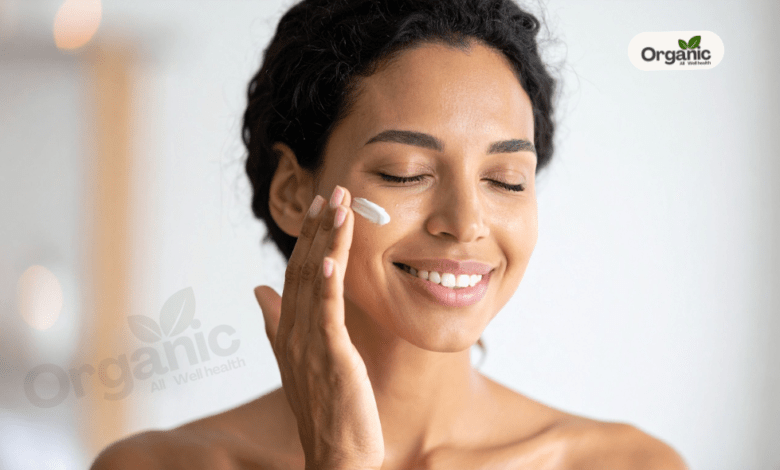
Becoming a new mother changes your entire daily schedule. Your usual skincare routine may require some smart adjustments. Breastfeeding mothers are supposed to choose facial products with great care.
A facial cleanser is a main part of daily hygiene. Choosing the right ingredients keeps your baby completely safe. Babies spend many hours close to your face and neck. They touch your skin with their small hands and mouths.
Residual chemicals around your cheeks may easily transfer to them. A gentle face wash removes daily dirt in a manner that does not strip your skin barrier.
Postpartum hormonal shifts usually trigger unexpected breakouts and severe dryness. Strong medical cleansers might seem like an easy quick fix. But the best face wash is that which has mild formulations. It provides much safer daily results for nursing mothers.
Let us explore.
Why Proper Cleansing Matters?
Skin changes after child delivery happen fast. Postpartum hormones alter the outer skin. Some mothers experience sudden dry patches. Others suffer from unexpected oily breakouts. Sleepless nights add extra physical stress.
A face wash helps remove:
- Sweat and excess oil
- Dust and everyday impurities
- Makeup and sunscreen residue
- Pollution particles from the skin
Cleansers remain on skin briefly. Water rinses active ingredients away fast. Skin absorption levels remain quite low. Still safe product choices protect babies. Avoid leaving products near nursing areas.
Main Features Of Good Cleansers
Skin types differ for every mother. A single cleanser that is suitable for all women is rare.
| Feature | Main Purpose |
| Gentle washing | Removes daily dirt |
| Mild formula | Protects delicate skin |
| Hydrating bases | Prevents post wash dryness |
| Fragrance free | Reduces allergy risks |
| Quick rinsing | Leaves zero residue |
| Clear labels | Simplifies safety checks |
Beneficial Ingredients To Choose
Simple components remain best for mothers.
Glycerin
This ingredient attracts moisture to dry skin. It does not make the skin feel dry after cleansing.
Aloe Vera
This one calms irritated surface skin. It gives the face a soft and soothing feel.
Niacinamide
Niacinamide is a useful vitamin B3. It balances excess skin oil.
Mild Cleansers
Soft washing agents protect natural skin layers. They prevent uncomfortable skin tightness.
Ingredients That Require Extra Attention
The duration of breastfeeding does not mean that all skincare ingredients are unsafe for you. But some ingredients have limited safety. These include:
- Retinoids
- Salicylic Acid above 2%
- Hydroquinone
- Benzoyl Peroxide
- Formaldehyde Releasers
- Synthetic Fragrances
A face wash with mild ingredients is simply easier to manage than a leave-on treatment.
Understanding Face Wash and Baby Contact
A breastfeeding mother tends to spend several moments of their day holding her baby. The baby’s face may touch the mother’s cheeks, chin and neck. This makes product transfer a necessary factor to be mindful of.
Rinse the face in a proper manner after washing it. Enable skincare products to settle before close face-to-face contact. Avoid letting the baby lick skincare products from your skin. This is particularly relevant for products that have treatment ingredients. Always consult your dermatologist before incorporating any new skincare product in your routine.
Best Face Wash for Women With Dry Skin
Dry skin tightens after basic washing.
- Choose extra hydrating components
- Pick glycerin enriched cleansers
- Avoid harsh oil stripping formulas
- Seek comfortable soft finishes
Best Face Wash for Women With Oily Skin
Oily skin produces excess face oil.
- Use light liquid washes
- Select easy rinsing formulas
- Avoid heavy oily textures
- Choose specialized oil balancing ingredients
Best Face Wash for Women With Sensitive Skin
Sensitive skin requires minimal chemical components.
- Pick short simple ingredient lists
- Choose completely fragrance free cleansers
- Patch test new products on arms
- Stop using irritating products immediately
Face Wash Comparison
| Skin Type | Recommended Cleanser Style |
| Dry | Hydrating and gentle |
| Oily | Lightweight oil control |
| Sensitive | Fragrance free simple formulas |
| Combination | Balanced mild cleansing |
| Acne Prone | Mild non-comedogenic washes |
| Normal | Simple basic cleanser |
Safety Measures on How to Use a Face Wash During Breastfeeding
The manner in which you use a face wash is just as essential as choosing it.
Utilize these simple steps:
- Wash your hands before cleansing
- Wet the face with lukewarm water
- Apply a small amount of face wash
- Massage with fingertips in a gentle manner
- Avoid hard scrubbing motions
- Rinse the face well
- Pat dry face using clean towels
Keep skin products far from infants. Prevent babies from touching freshly treated skin.
Can Breastfeeding Moms Use Face Wash Every Day?
Yes. Cleansing one’s face with face wash should be part of a regular skincare routine. The number of times a woman washes her face can depend on her skin type.
A simple routine can look like this:
Morning
- Wash face using mild cleanser
- Pat skin dry using towels
- Apply light moisturizer
- Use safe outdoor sunscreen
Evening Steps
- Remove daily makeup carefully
- Wash face with mild cleanser
- Apply hydrating night cream
Washing too often dries sensitive skin. Two washings daily is usually enough.
Wrapping Up
Selecting the best face wash for women should not be complicated for nursing mothers. Consider cleansers that do not irritate your skin or leave you extremely dry. Do not just trust the claims made in products that describe themselves as natural and organic.
Cleansers with ingredients such as glycerin, aloe vera as well as niacinamide can be relied on by postpartum women. Make your skincare routine simple but short and consistent. Cleansing your face should be done using lukewarm water and hands that have been washed thoroughly twice a day.
It is essential to remove all traces of the face wash in order not to risk passing the product on to your baby. All changes to the skin as a result of having a baby will eventually return to normal once hormones settle down in the body. It is not advisable to experiment with several products all at once.
Start with one new cleanser at a time in order to know your skin’s reaction. Keep your routine quick and manageable alongside busy baby care duties. Consult a certified dermatologist for professional guidance when you face persistent acne and severe skin issues.