Dandruff and Scalp Conditions: Do They Actually Cause Hair Loss?
Dandruff is one of the most common scalp complaints people search for online, and it often comes paired with a worried follow-up question about whether the flaking and itching could actually be causing hair to fall out. The relationship between scalp conditions and hair loss is more nuanced than a simple yes or no, and understanding it properly helps people know when a scalp issue is purely cosmetic and when it needs closer attention.
What Dandruff Actually Is and Why It Happens
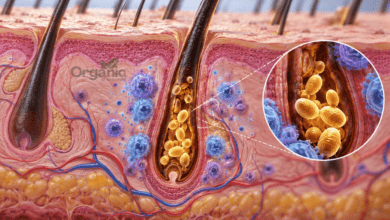
Dandruff is generally caused by an overgrowth of a yeast-like organism that lives naturally on most people’s scalps, combined with excess oil production and skin cell turnover that leads to visible flaking. For most people, dandruff is a manageable, chronic condition that comes and goes, responds well to medicated shampoos, and does not damage the hair follicles themselves.
However, dandruff can sometimes overlap with or be mistaken for other scalp conditions that behave quite differently, including seborrheic dermatitis, psoriasis, or fungal infections, each of which can cause more significant irritation and, in certain cases, genuinely affect hair growth if left untreated for an extended period. A proper evaluation with a Dermatologist helps distinguish between simple dandruff and these other conditions, since the right treatment depends entirely on correctly identifying what is actually happening on the scalp rather than assuming every flaky, itchy scalp has the same underlying cause.
When Scalp Conditions Can Genuinely Contribute to Hair Loss
While ordinary dandruff rarely causes lasting hair loss on its own, certain scalp conditions can contribute to thinning if they are severe, prolonged, or left untreated. Chronic inflammation from conditions like severe seborrheic dermatitis or untreated fungal infections can disrupt the normal hair growth cycle, sometimes pushing more hairs than usual into a resting phase where they eventually shed. Persistent scratching from an itchy, inflamed scalp can also cause physical damage to hair follicles over time, particularly in cases where the irritation goes unmanaged for months rather than being addressed early with proper treatment. In rarer and more severe cases, certain fungal infections or untreated psoriasis can lead to actual scarring of the scalp, which permanently damages the follicles in the affected area and prevents natural regrowth even after the underlying condition is treated. This distinction matters considerably, since temporary shedding related to inflammation is usually reversible once the scalp condition is properly managed, while scarring-related hair loss requires a completely different approach since the follicles themselves have been permanently destroyed rather than simply pushed into a resting phase.
What Happens When Scarring Has Already Occurred
For patients whose scalp condition has progressed to the point of causing permanent scarring and follicle loss, medical treatment of the underlying skin condition alone will not restore hair growth in the affected area, since there are no living follicles left to stimulate. In these cases, once the underlying scalp condition has been fully controlled and confirmed stable, a consultation with an experienced Best Hair Transplant Surgeon becomes a relevant next step, since transplanting healthy follicles from a donor area can restore coverage in a scarred region that would otherwise never regrow hair on its own.
Why Treating the Underlying Condition Always Comes First
Attempting a hair transplant into scalp tissue that still has active inflammation or infection is generally not advisable, since active disease can interfere with graft survival and lead to poor results even when the surgical technique itself is sound. This is why any reputable surgeon will typically require confirmation that an underlying scalp condition has been properly treated and stabilized before proceeding with a transplant into a previously affected area.
How to Tell When a Scalp Issue Needs Professional Attention
Ordinary dandruff that responds to over-the-counter medicated shampoo rarely needs specialist input, but certain warning signs suggest it is time to seek a proper evaluation rather than continuing to self-treat. Persistent redness, thick scaling that does not improve with regular treatment, visible hair thinning alongside scalp symptoms, or noticeable bald patches are all reasons to seek an accurate diagnosis before the condition has a chance to progress further.
Conclusion
Most cases of dandruff are harmless and have no lasting effect on hair growth, but certain underlying scalp conditions can contribute to shedding or, in more severe cases, permanent follicle damage if left unaddressed for too long. Getting an accurate diagnosis early allows most scalp conditions to be treated effectively before they progress to a stage involving lasting damage, and for the smaller number of cases where scarring has already occurred, surgical restoration offers a path forward once the underlying condition is fully under control.
Frequently Asked Questions
Q1: Can dandruff shampoo alone fix hair thinning caused by a scalp condition?
Answer: If the thinning is related to temporary shedding from inflammation, treating the underlying scalp condition with the right medicated shampoo or prescribed treatment often allows normal hair growth to resume over time. However, if scarring has already occurred, no topical treatment will restore hair in that area, since the follicles themselves have been permanently damaged.
Q2: How can someone tell if their scalp issue is just dandruff or something more serious?
Answer: Ordinary dandruff typically causes mild flaking and occasional itching that responds well to regular medicated shampoo, while more serious conditions often involve persistent redness, thick or crusted scaling, noticeable pain, or visible thinning that does not improve with standard treatment. Any of these additional signs are worth having properly evaluated rather than assuming the issue is simply dandruff.
Q3: Is it safe to get a hair transplant if someone still has an active scalp condition?
Answer: Generally no, since active inflammation or infection on the scalp can interfere with how well transplanted grafts take hold and survive in the treated area. Most surgeons will want to see the underlying condition fully controlled and stable for a period of time before proceeding with a transplant to give the new grafts the best possible chance of success.