Gentle by Design: Rethinking the Everyday Oral-Care Experience
Effective oral care should not feel like a daily battle. As people look for routines that balance performance, comfort and consistency, dental professionals and product designers are beginning to rethink what a better brushing experience can look like.
Wellness is often built through small decisions repeated over time. Drinking enough water, moving regularly and getting consistent sleep may not feel dramatic on any single day, but together they shape long-term health. Oral care works in much the same way.
Brushing is a familiar routine, yet familiarity can hide common problems. Some people assume that more pressure produces a better clean. Others rush, avoid sensitive areas or abandon a new device because the experience feels too intense. A routine intended to support health can become something a person simply tries to finish as quickly as possible.
A better approach begins with a different question: what if effective cleaning could also feel gentle, intuitive and easy to repeat?
COMFORT IS NOT A LUXURY
Comfort is sometimes treated as an optional feature, but it can directly influence consistency. When an experience feels harsh or confusing, people are more likely to shorten the routine, skip difficult areas or return to old habits. When it feels manageable, they are more likely to stay engaged.
This does not mean that comfort should replace performance. It means that product design should consider both. A personal-care tool has to accomplish its purpose while also supporting the person who uses it every morning and evening.
In oral care, this balance is especially important. The mouth is sensitive, individual needs vary and many people have learned habits that are difficult to change. A thoughtfully designed experience can reduce unnecessary friction and make appropriate technique easier to maintain.
WHY MORE INTENSITY IS NOT ALWAYS BETTER
The feeling of strong movement can create the impression that a toothbrush is working harder. However, intensity and effectiveness are not the same thing. Applying unnecessary pressure can make brushing uncomfortable, while an aggressive experience may encourage people to avoid sensitive areas.
Modern oral-care design is therefore moving beyond the simple idea that faster or stronger must be better. Engineers are exploring how movement, fluid dynamics, brush-head geometry and user feedback can work together.
RANVOO’s AirJet approach is one example. It combines sonic brushing with controlled air-and-water flow delivered through the brush head. The sonic action is intended to clean tooth surfaces, while the flow is designed to reach toward interdental spaces. The purpose is to create a two-in-one experience that places greater emphasis on efficient cleaning and gentleness.
A toothbrush, of course, is only one part of an oral-care routine. Individual needs differ, and professional dental advice remains essential. The more meaningful point is that technology can be designed around real human behavior rather than asking people to adapt to unnecessary discomfort.
THE ROLE OF PROFESSIONAL INSIGHT
A product may perform well in a controlled test and still raise practical questions in everyday use. Is the brush head easy to position? Are the settings understandable? Does the sensation match what the instructions prepare the user to expect? Can the device be kept clean without adding complexity to the routine?
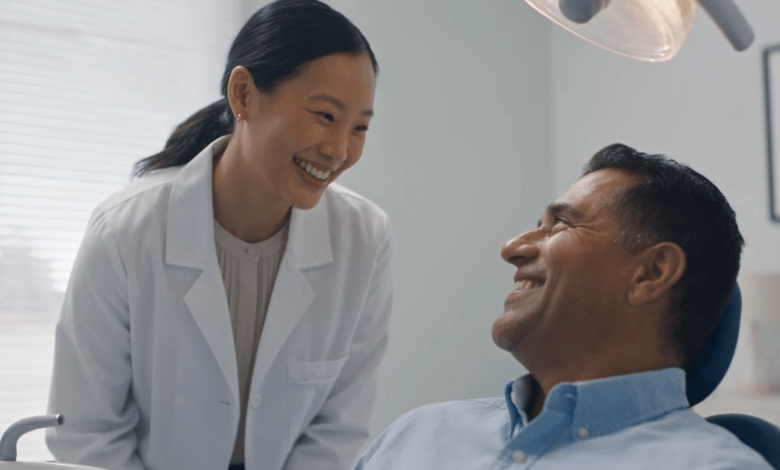
Dental professionals see these practical challenges from a perspective that designers cannot reproduce on their own. Dentists, dental hygienists, assistants and orthodontic professionals speak with people who have different sensitivities, habits and levels of confidence. They understand where instructions are misunderstood and which small details influence whether a routine lasts.
This is why RANVOO created its Dental Professional Program. Eligible dental professionals and students can apply to experience selected products, share feedback and contribute ideas for future oral-care solutions. Members may receive access to a complimentary product, early testing opportunities and educational resources related to the technology.
The program is designed to make professional insight part of product development rather than using professionals only at the end of the process. Feedback can help shape brush heads, cleaning features, comfort, usability and the way technical information is communicated to everyday users.
GENTLE HABITS ARE EASIER TO SUSTAIN
People rarely maintain a wellness routine because they were told once that it was important. They maintain it because the routine becomes understandable, achievable and connected to how they want to feel.
Oral care is no different. A useful product should support good behavior without demanding constant motivation. Controls should be clear. The experience should not encourage excessive pressure. Educational materials should explain both the benefits and limitations of the technology.
When these elements work together, brushing can feel less like a task and more like a natural part of self-care. That sense of ease matters because consistency is where the long-term value of a routine is created.
Gentleness can also help people approach oral care with greater confidence. Someone who expects discomfort may delay changing an old habit or may be reluctant to try a new device. A calmer experience can make learning feel less intimidating, especially when it is supported by guidance from a dental professional.
BETTER INFORMATION BUILDS BETTER EXPECTATIONS
Health and wellness marketing often presents products as complete solutions. Responsible communication should do something different: help people understand how a product fits into a broader routine.
No electric toothbrush can replace regular dental visits, personalized advice or the other parts of appropriate oral care. New technology should be introduced with clear expectations, evidence and practical instructions. People should understand what a feature is designed to do and when they need professional guidance.
Dental professionals are valuable partners in creating that clarity. Their questions can reveal which claims need qualification, which instructions need improvement and which educational messages are most useful. They can also help make technical explanations accessible without reducing them to slogans.
The RANVOO program encourages members to recommend products only when they genuinely believe the product is appropriate for the people they support. That principle is important. Trust should be earned through transparency and professional judgment, not borrowed for a marketing campaign.
DESIGNING THE FUTURE OF DAILY CARE
The most interesting developments in wellness technology are not always the most complicated. Often, they are the ones that make a healthy action easier to understand and more comfortable to repeat.
For oral care, progress may come from combining engineering with a deeper appreciation of sensitivity, behavior and professional experience. It may come from designing brush heads around how people actually move, presenting settings in a way that reduces confusion, or using new cleaning approaches without turning intensity into the main measure of quality.
RANVOO’s collaboration with dental professionals reflects this broader idea. Products can improve when the people who understand oral health are invited to test, question and shape them.
A gentler experience does not mean lowering expectations. It means designing effectiveness with the user in mind. When technology, professional insight and everyday behavior are considered together, oral care can become more than a routine people know they should follow. It can become a comfortable, confident part of daily wellness.